Nadja Kabriel
Artist's Statement
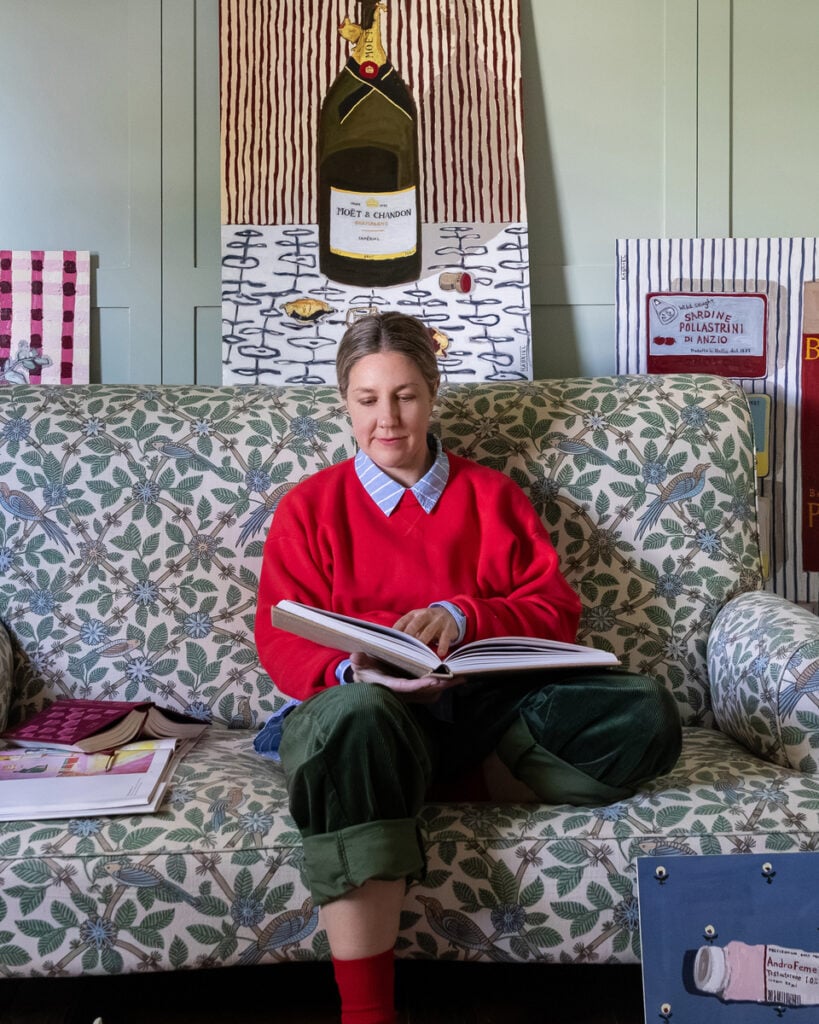
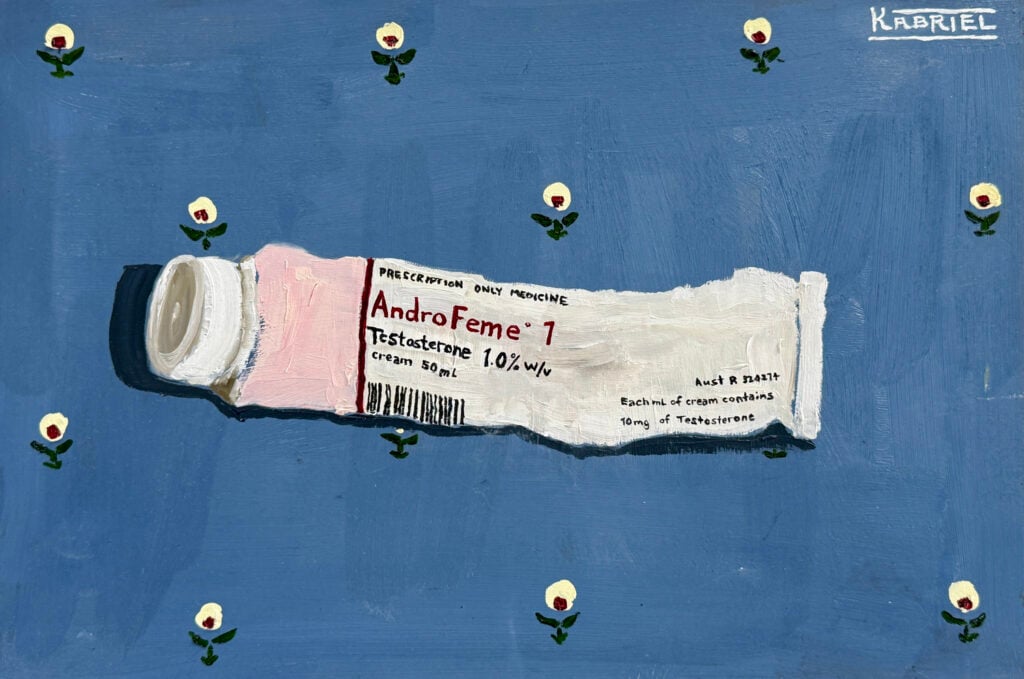
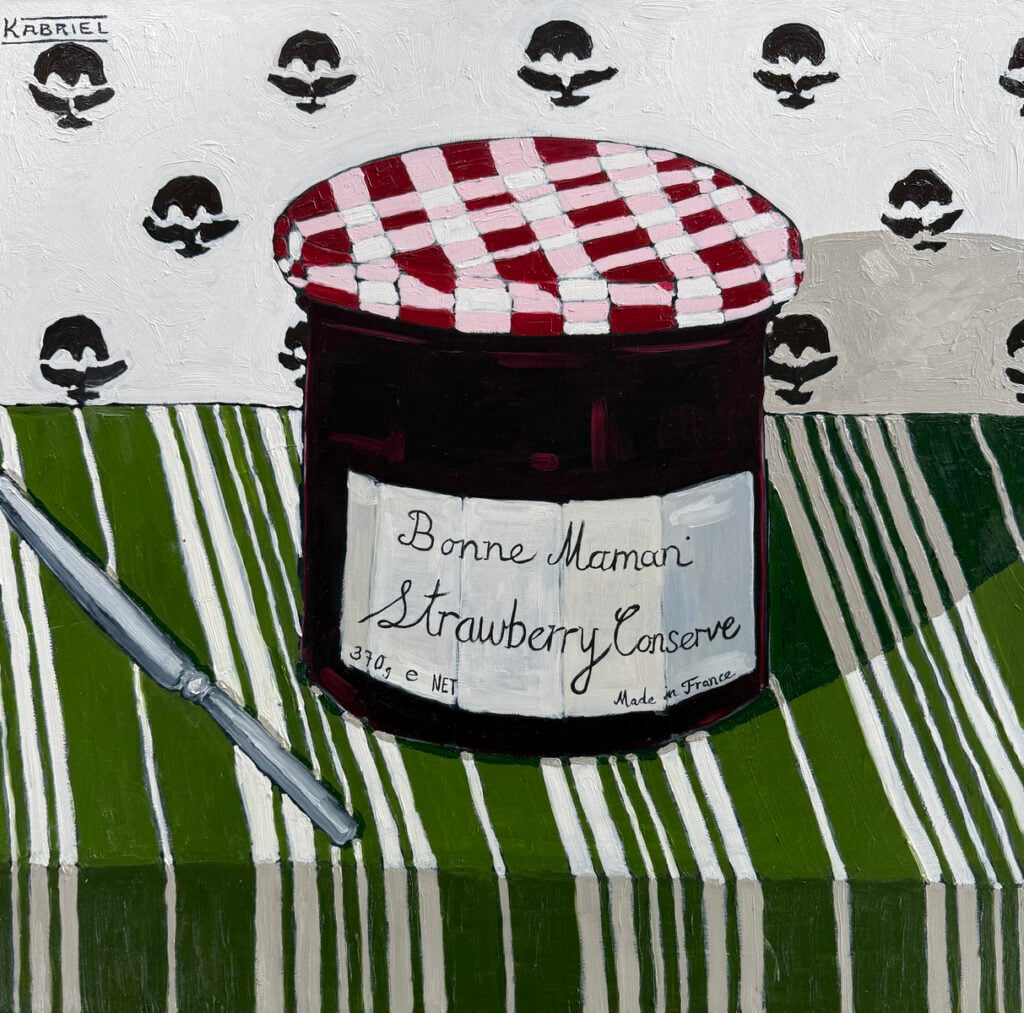
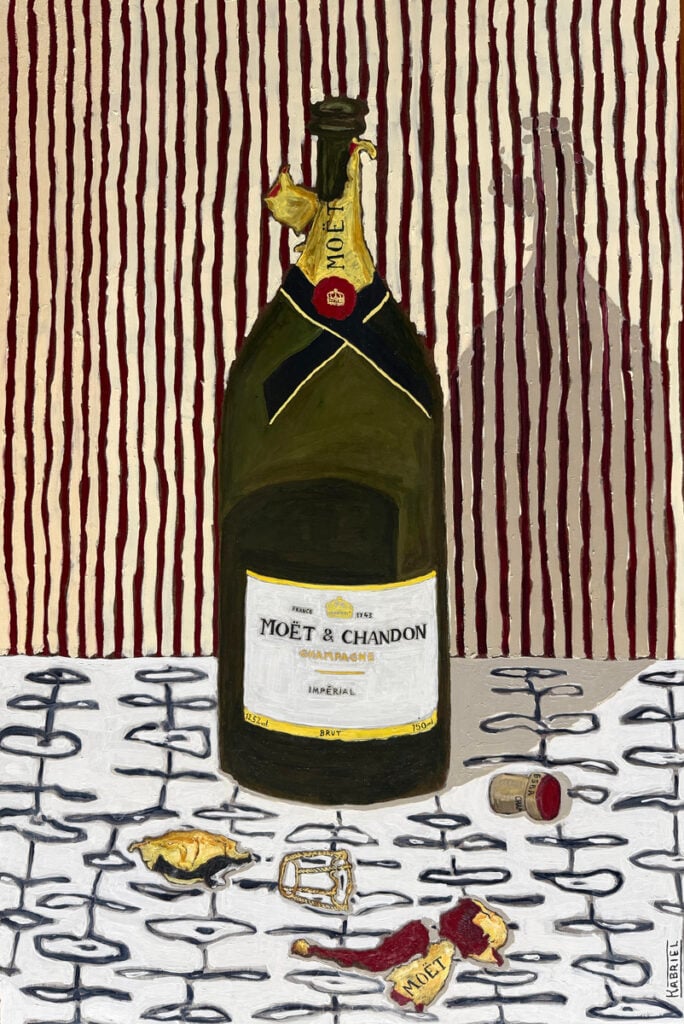
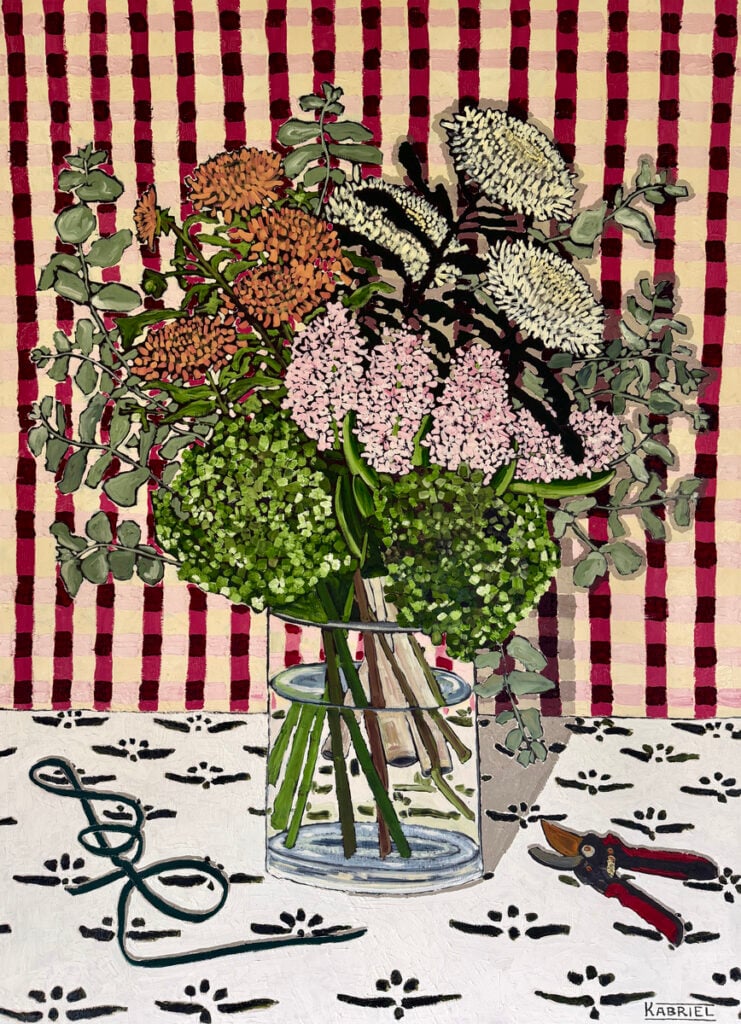
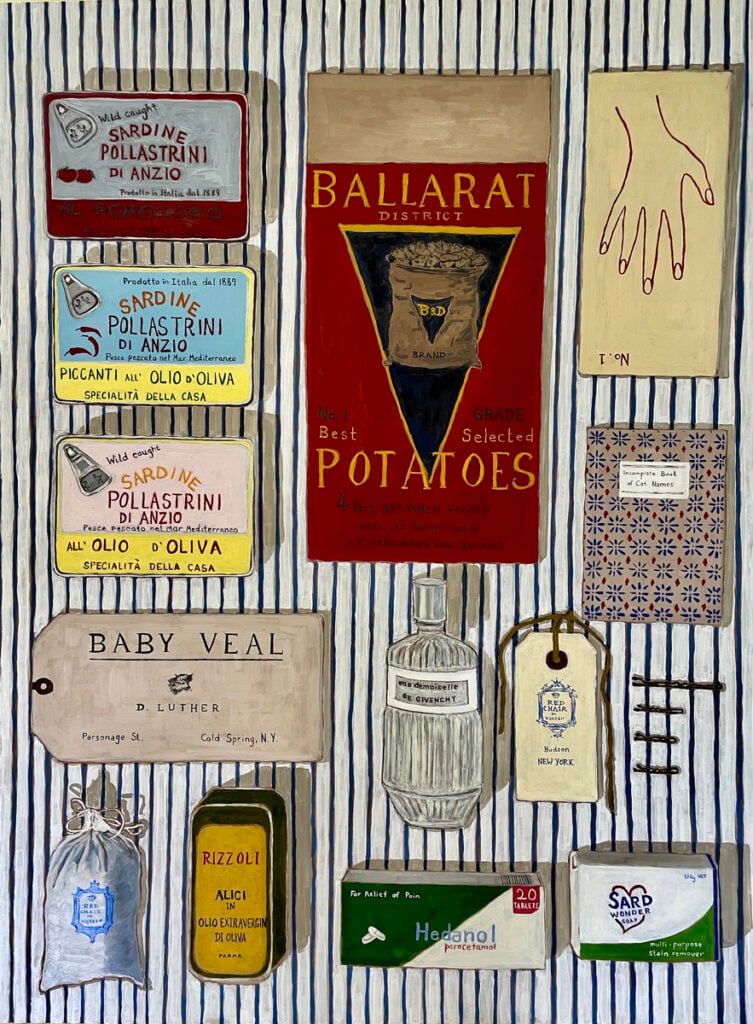
Nadja Kabriel is an artist whose practice uses still life to interrogate the systems of value assigned to women’s domestic and bodily experience. Working in oil, she places objects with little to no history of painterly representation (a testosterone bottle or packet of tampons) alongside subjects governed by centuries of pictorial convention, principally flowers. This juxtaposition exposes the selective logic of the still life tradition: what has been deemed worthy of representation, and what has been excluded as too private, too bodily, or too ordinary.
Kabriel describes her practice as a response rather than a commentary — a way of making sense of a transition she understands to be widely shared, if rarely depicted: “Within the context of my life as a mother, partner, homemaker, and artist, I explore and make sense of my place in the world through painting. I have placed a high value on my relationships within my home. I regularly reflect on my role as a mother and partner, how I’m succeeding and how I’m failing — where I can do better. My sense of value has been instinctively wrapped up in what I’ve provided for others.
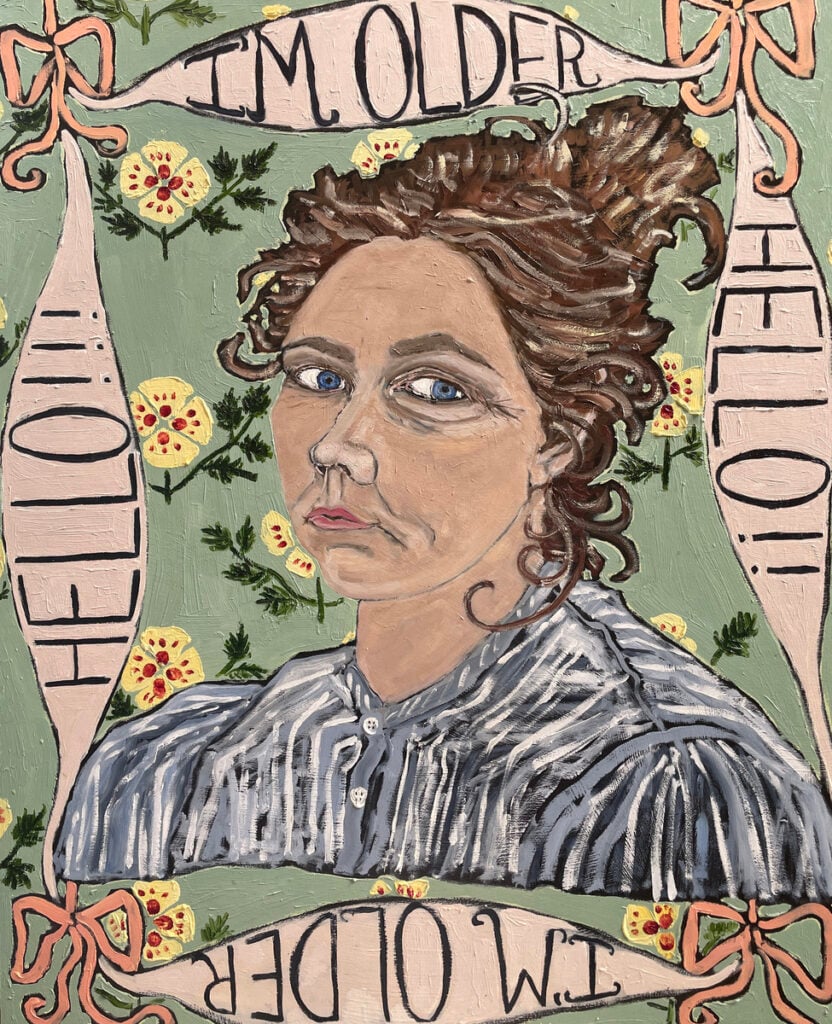
“Lately, however, this has begun to shift. My hormones are changing and with it my abilities, desires, and capacities; my sense of purpose and value is being revised. My painting isn’t a commentary, it’s a response — helping to make sense of my place. I don’t think my experience is unique and I don’t believe I’m alone. I am a 46 year old mother of two. My name is Nadja Kabriel. Hello.”
Biography
Nadja Kabriel (b. 1980) lives and works in Bangalow on Bundjalung Country, NSW. She holds a Bachelor of Fine Arts from the Queensland College of Art, Griffith University, and a Bachelor of Art History and Theory from the College of Fine Arts, University of New South Wales. Kabriel has presented solo exhibitions at Tweed Regional Gallery & Margaret Olley Art Centre (2021), and has participated in selected group exhibitions across Australia. She was a finalist in the Frensham Fellowship Art Prize (2016) and received the Griffith University Academic Excellence Award (2015). Kabriel’s work is held in private collections throughout Australia.