LILIANA PASALIC | Presences
Curatorial+Co. presents a new series of abstract work by Liliana Pasalic.
Curatorial+Co. Sydney Gallery Shop G01/02, 80 William St, Woolloomooloo, NSW, 2011
Join us for the opening celebration
Wed Aug 19, 5:30 pm - 8:00 pm
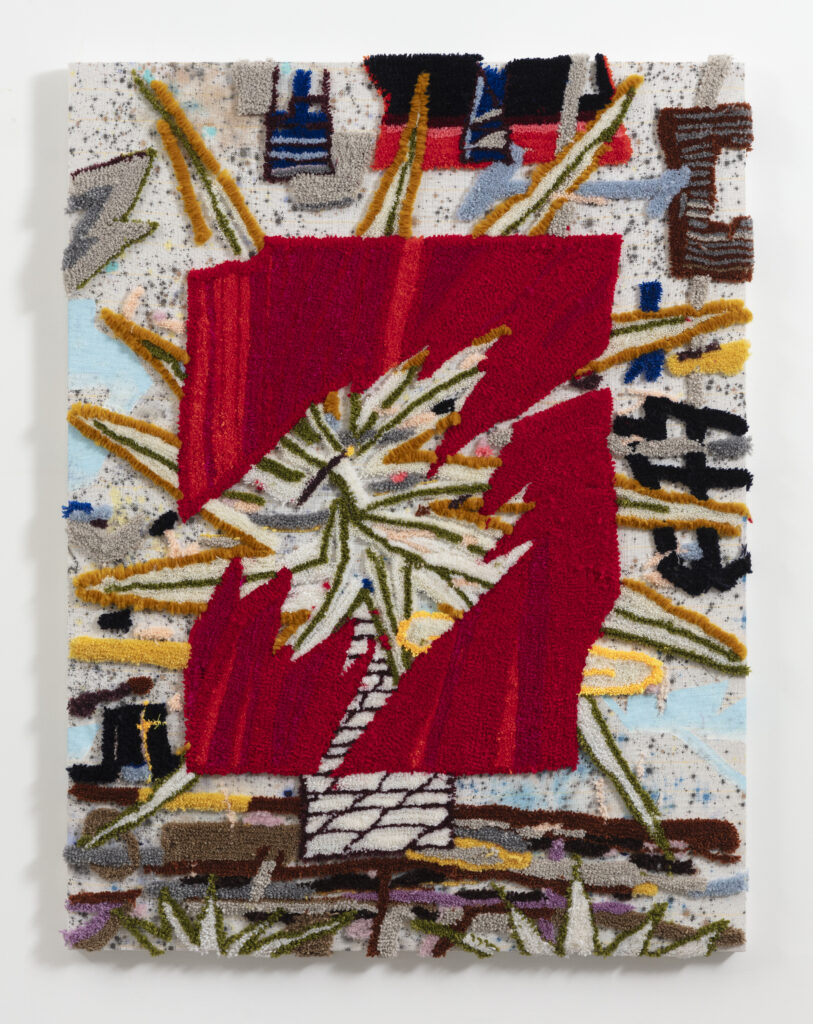
Curatorial+Co. is thrilled to present Zurich-based artist Liliana Pasalic's latest body of work.
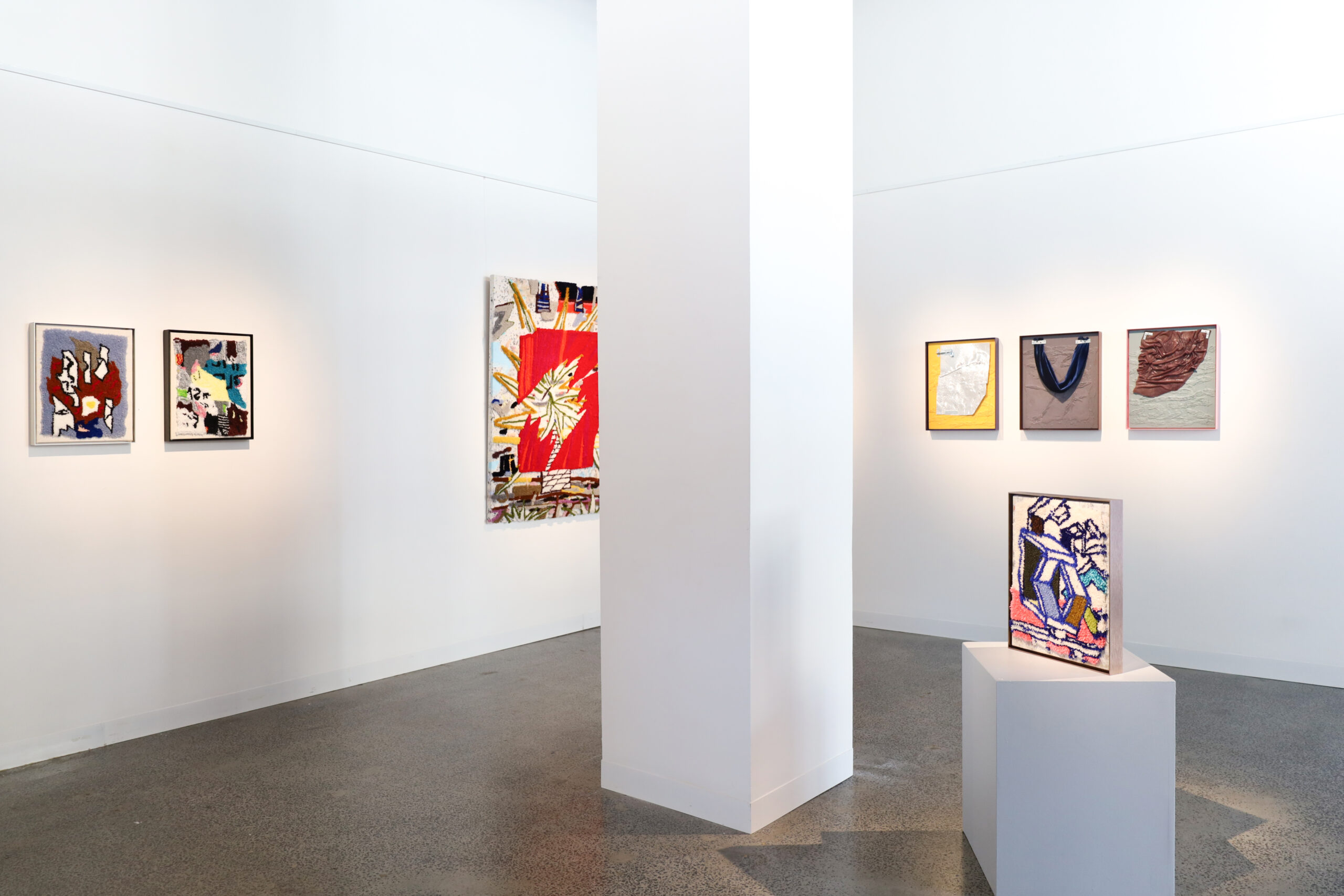
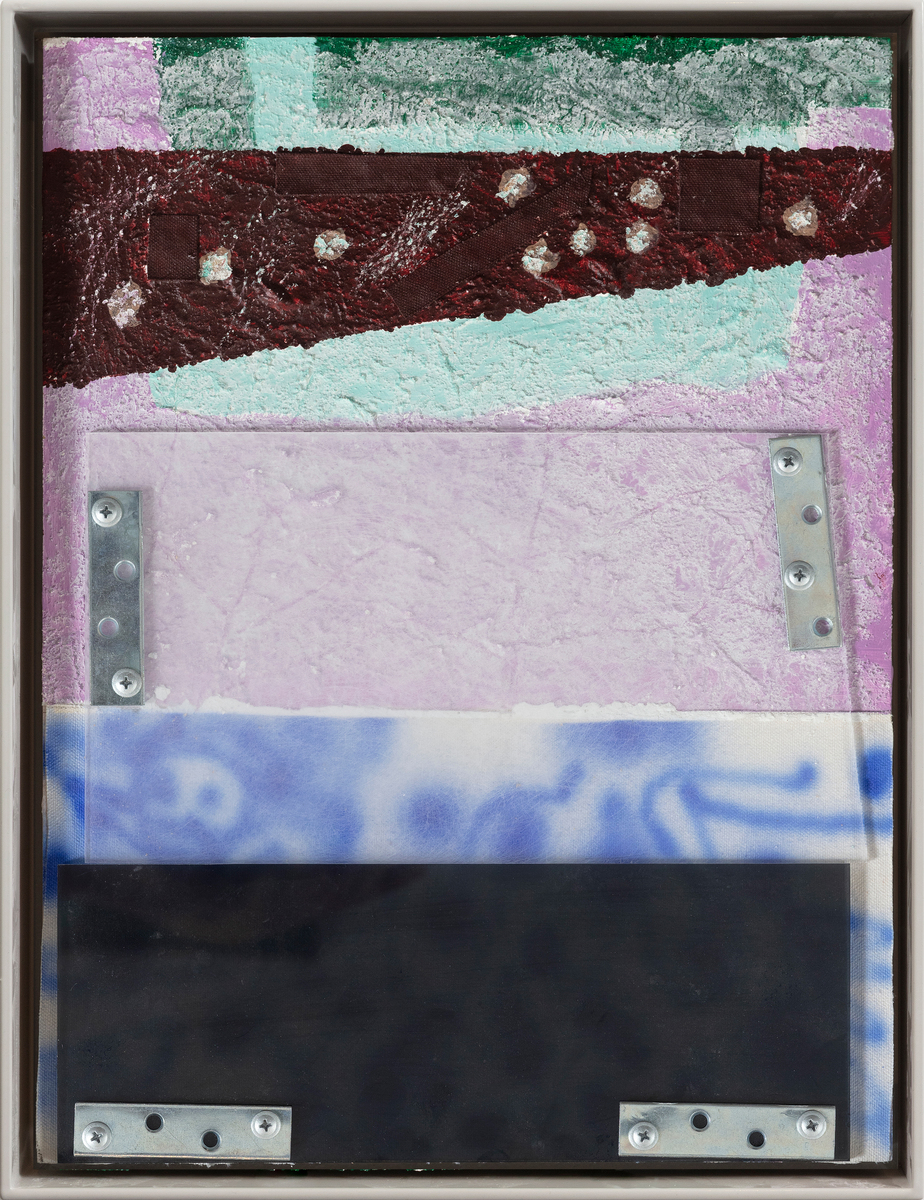
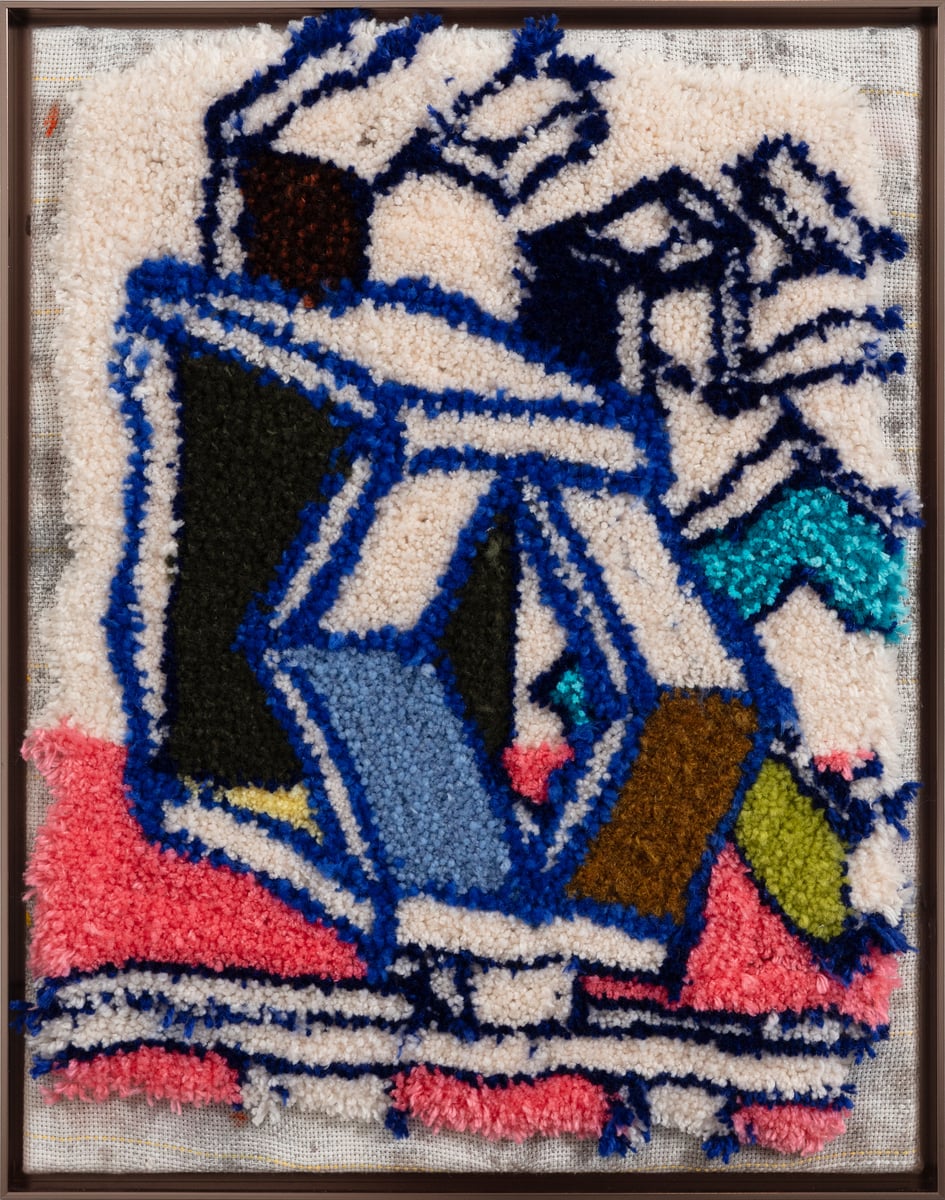
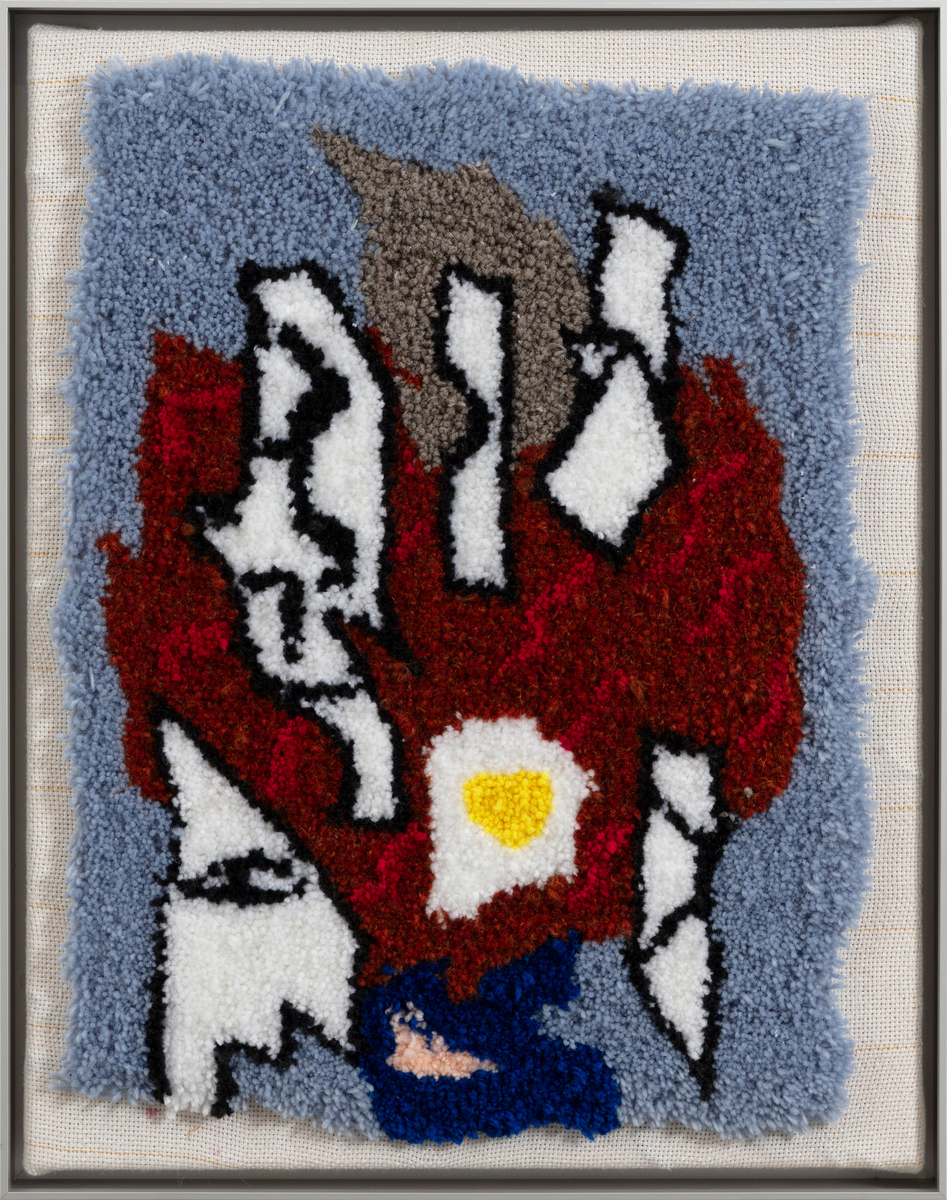
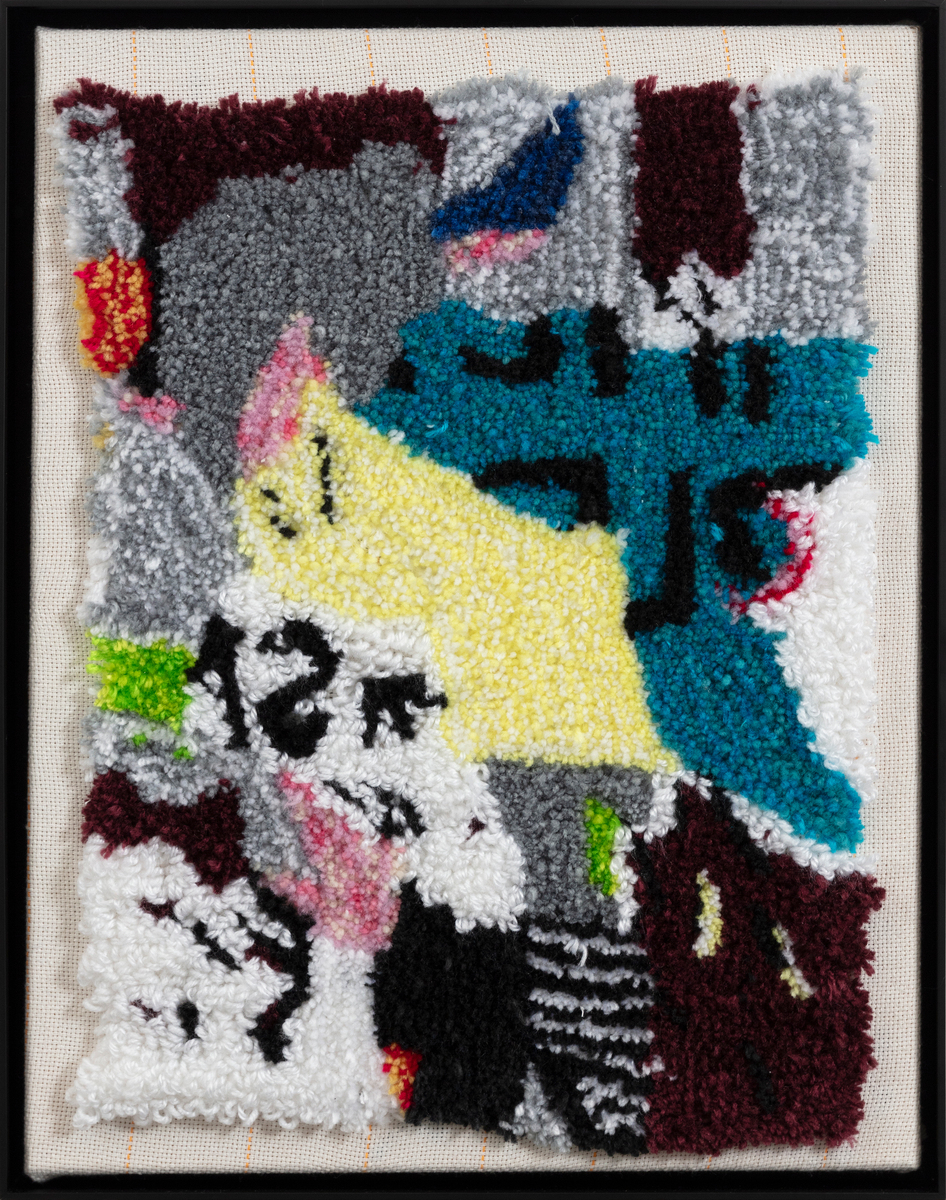
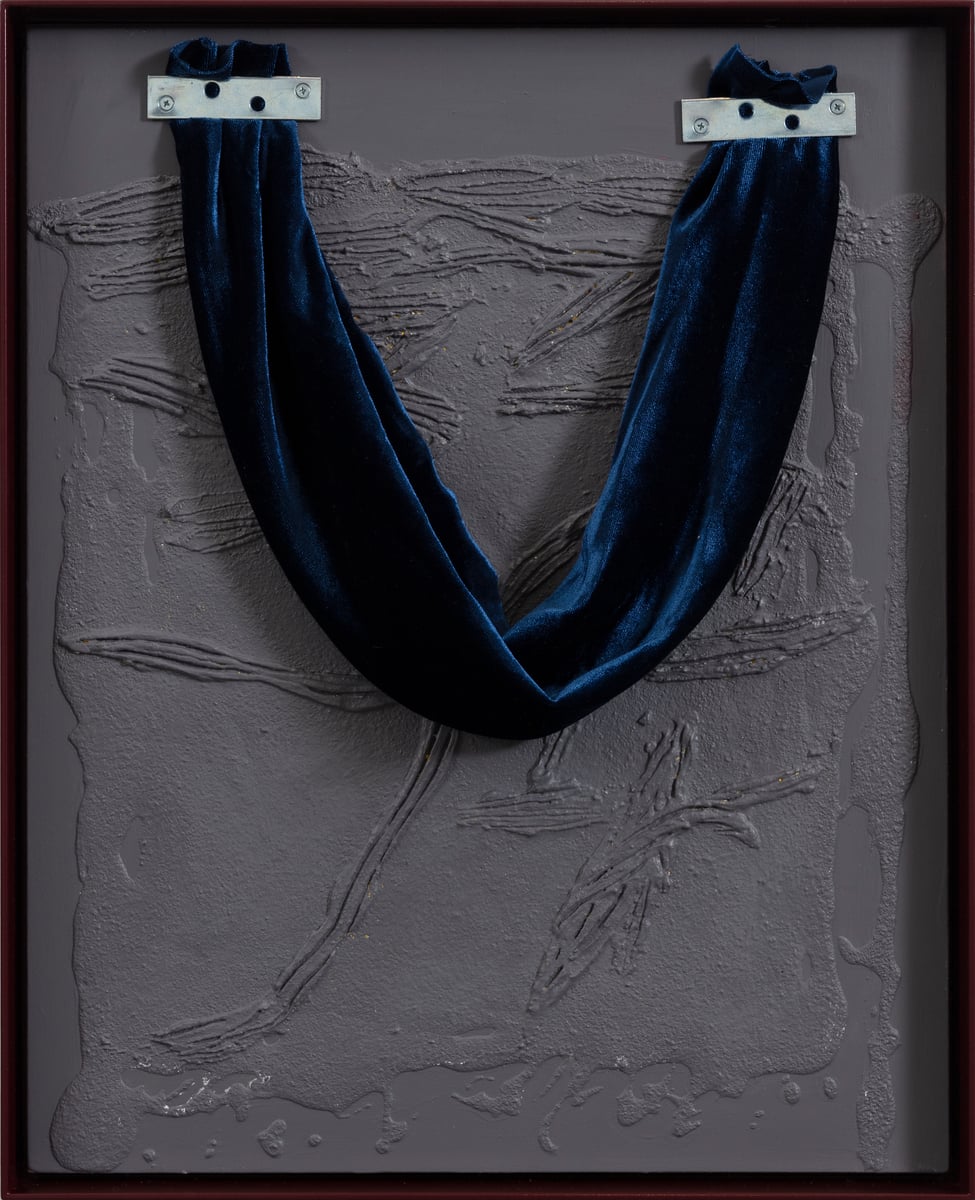
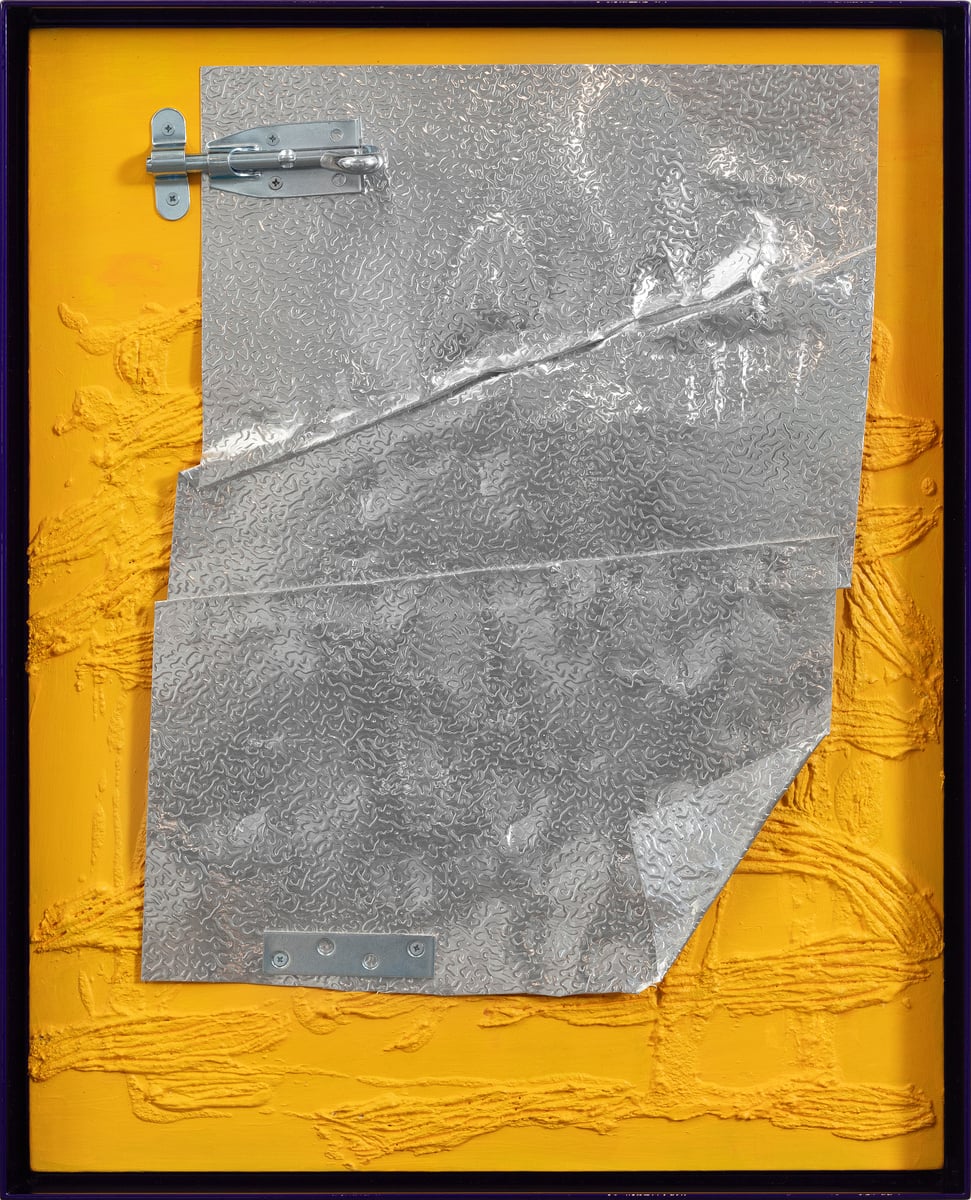
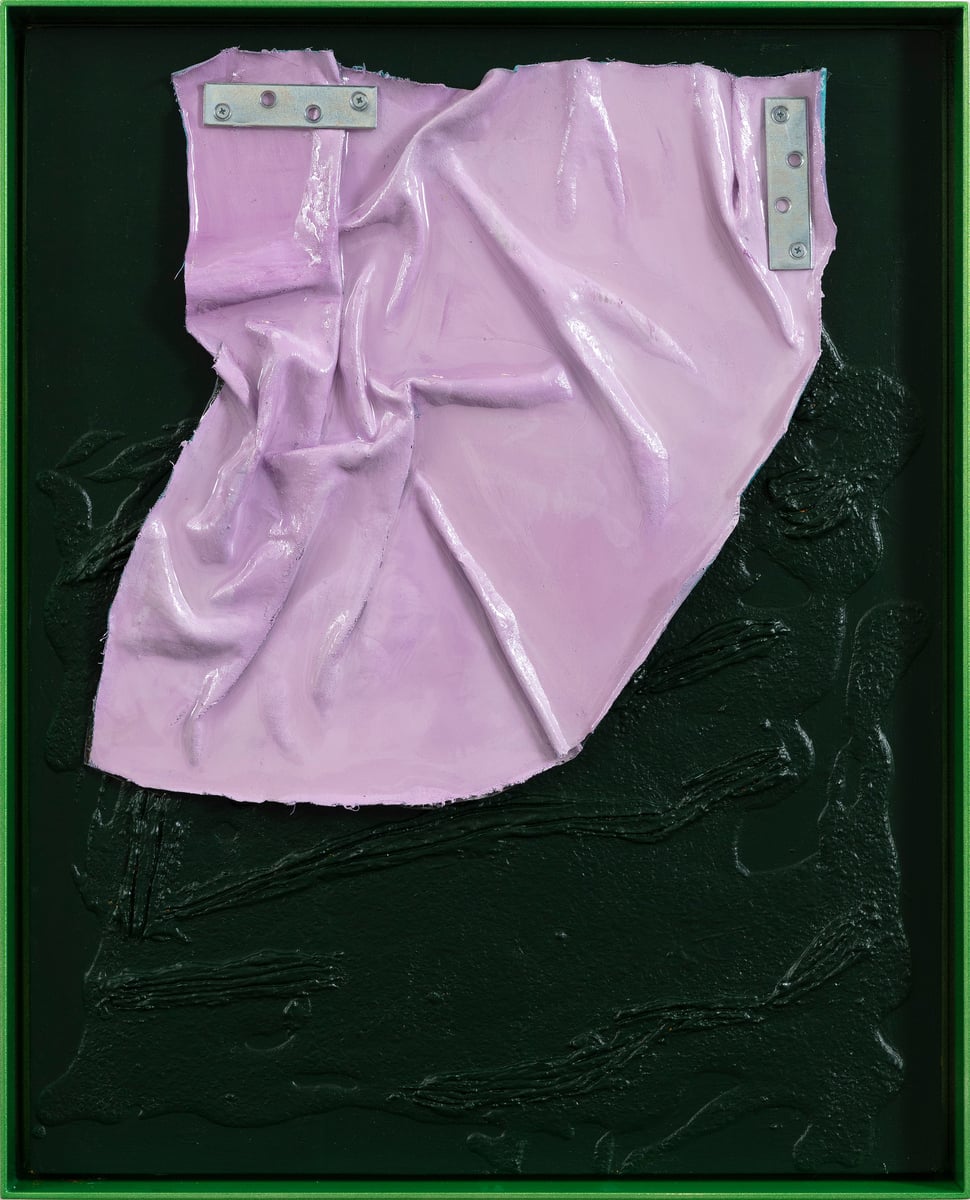
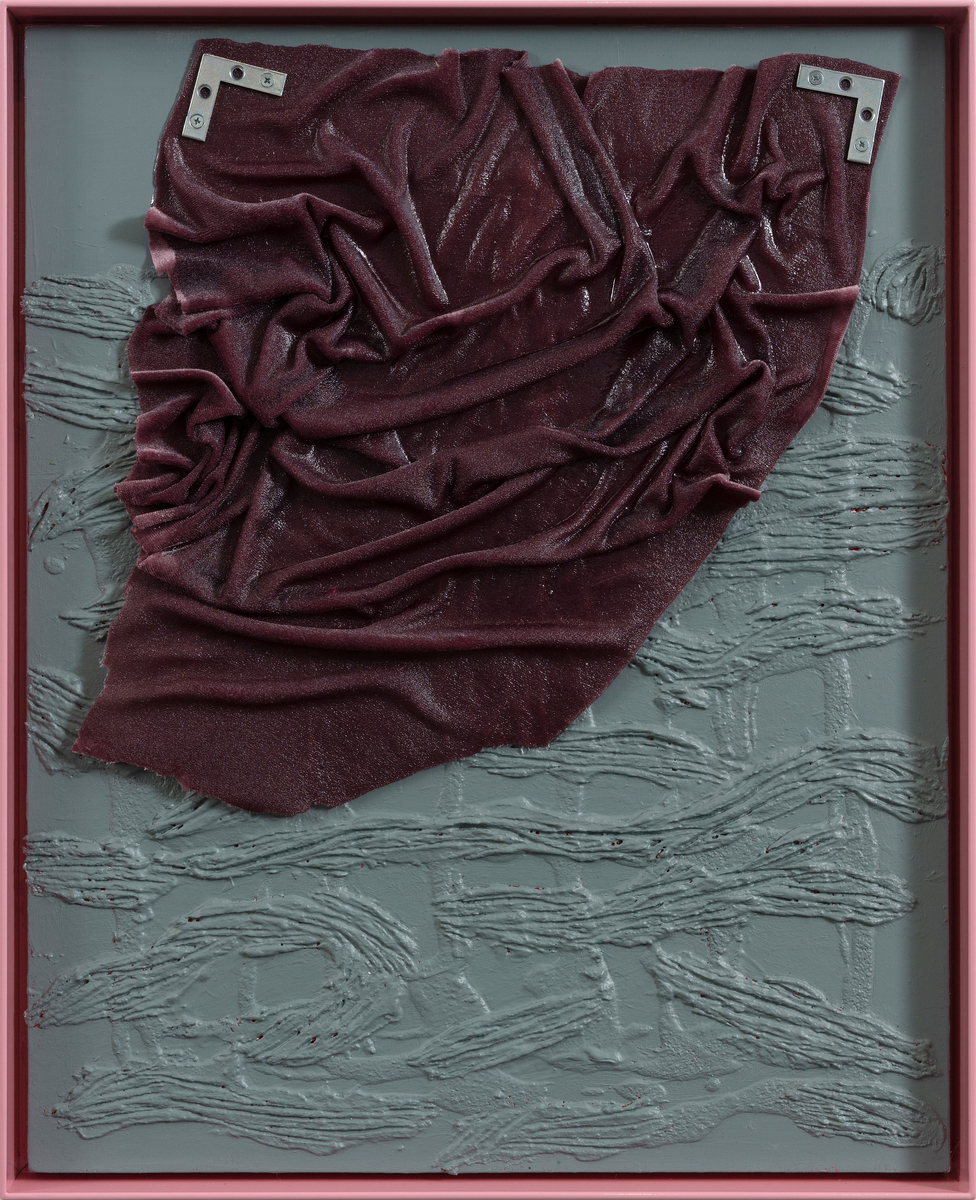
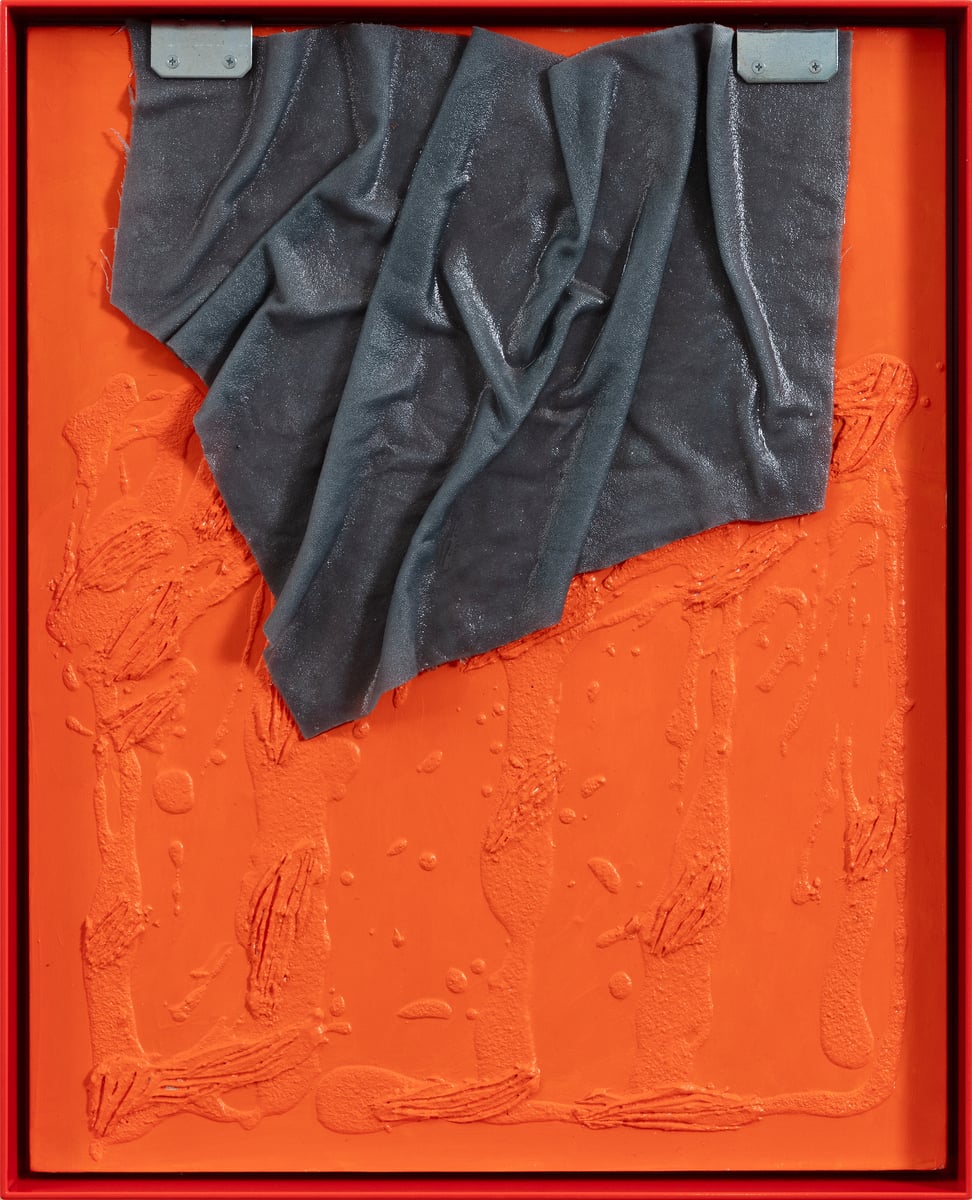
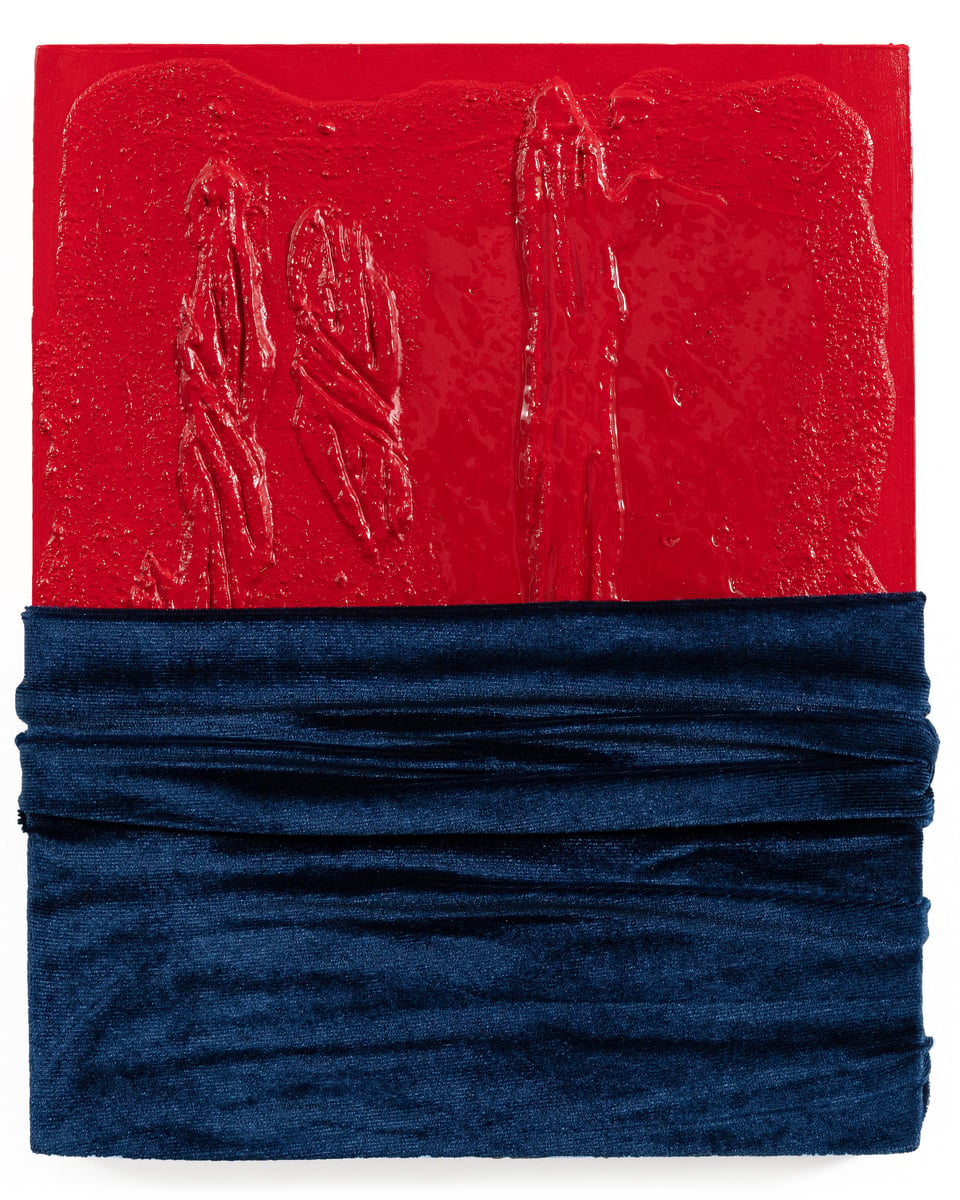
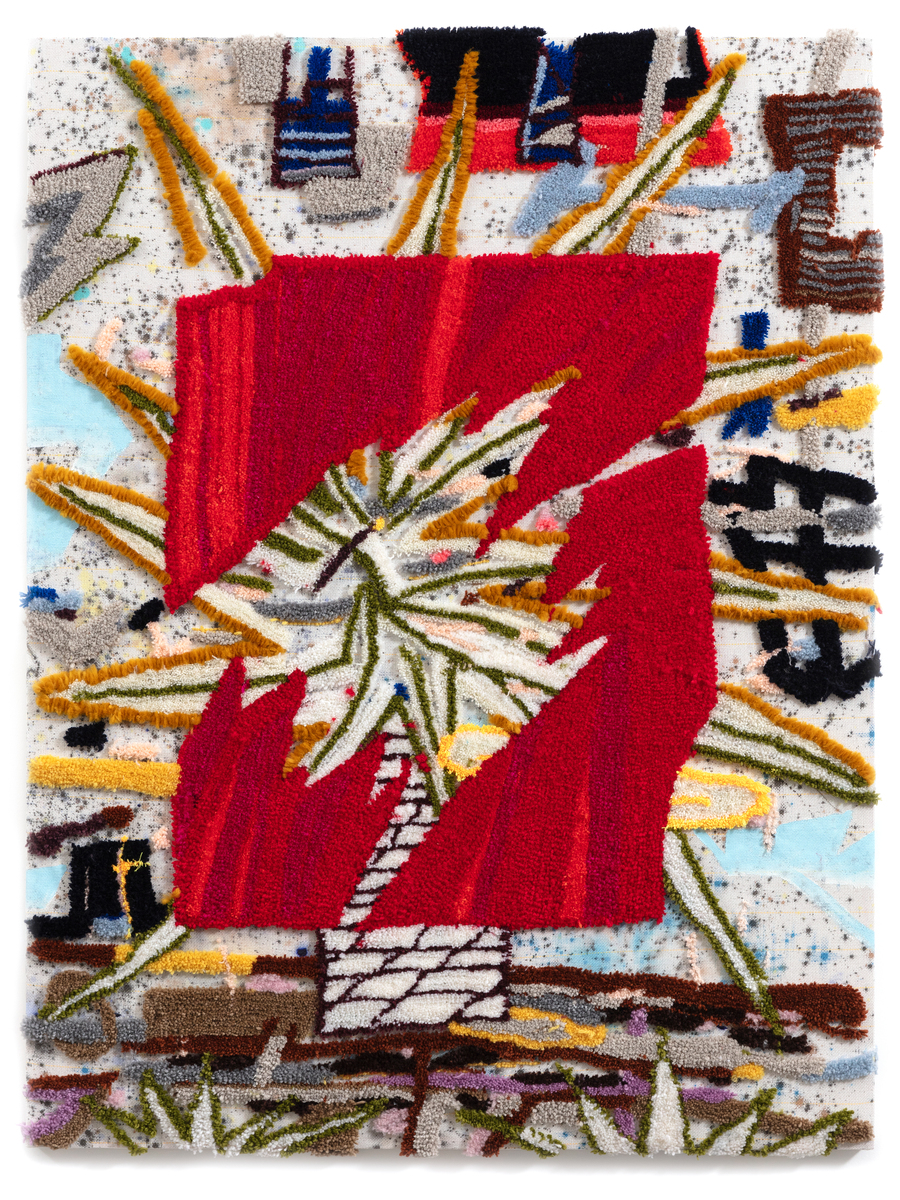
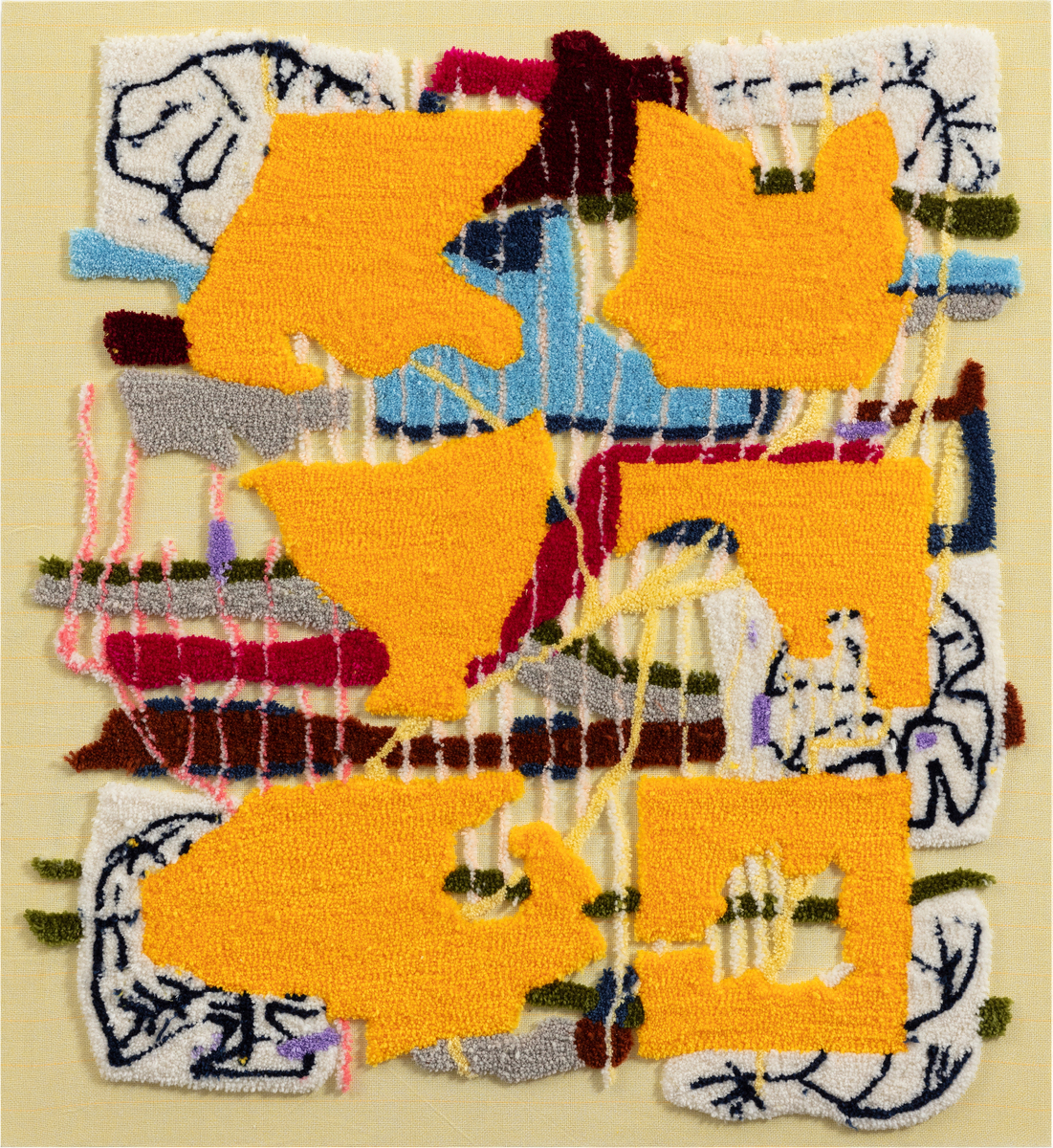
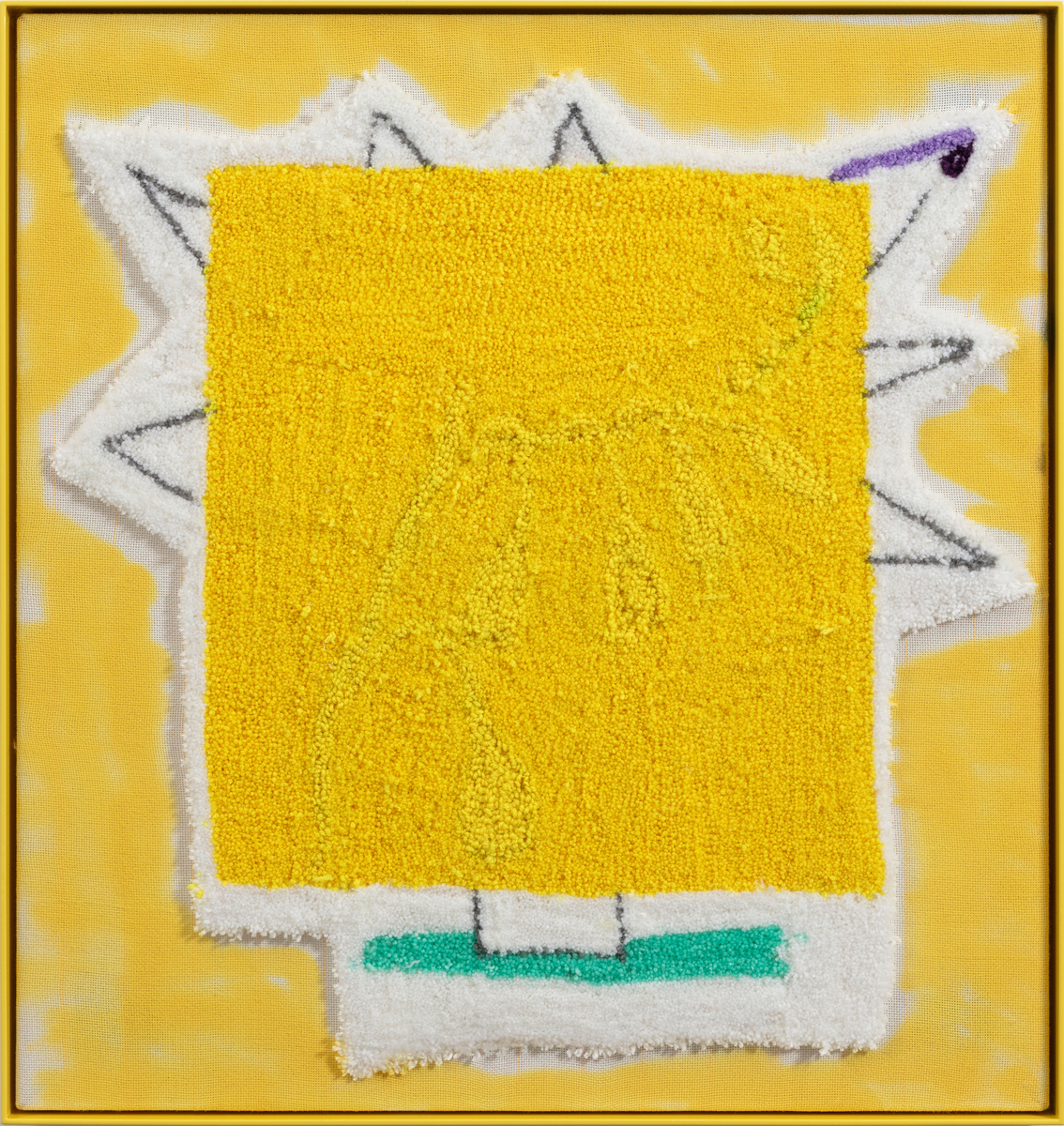
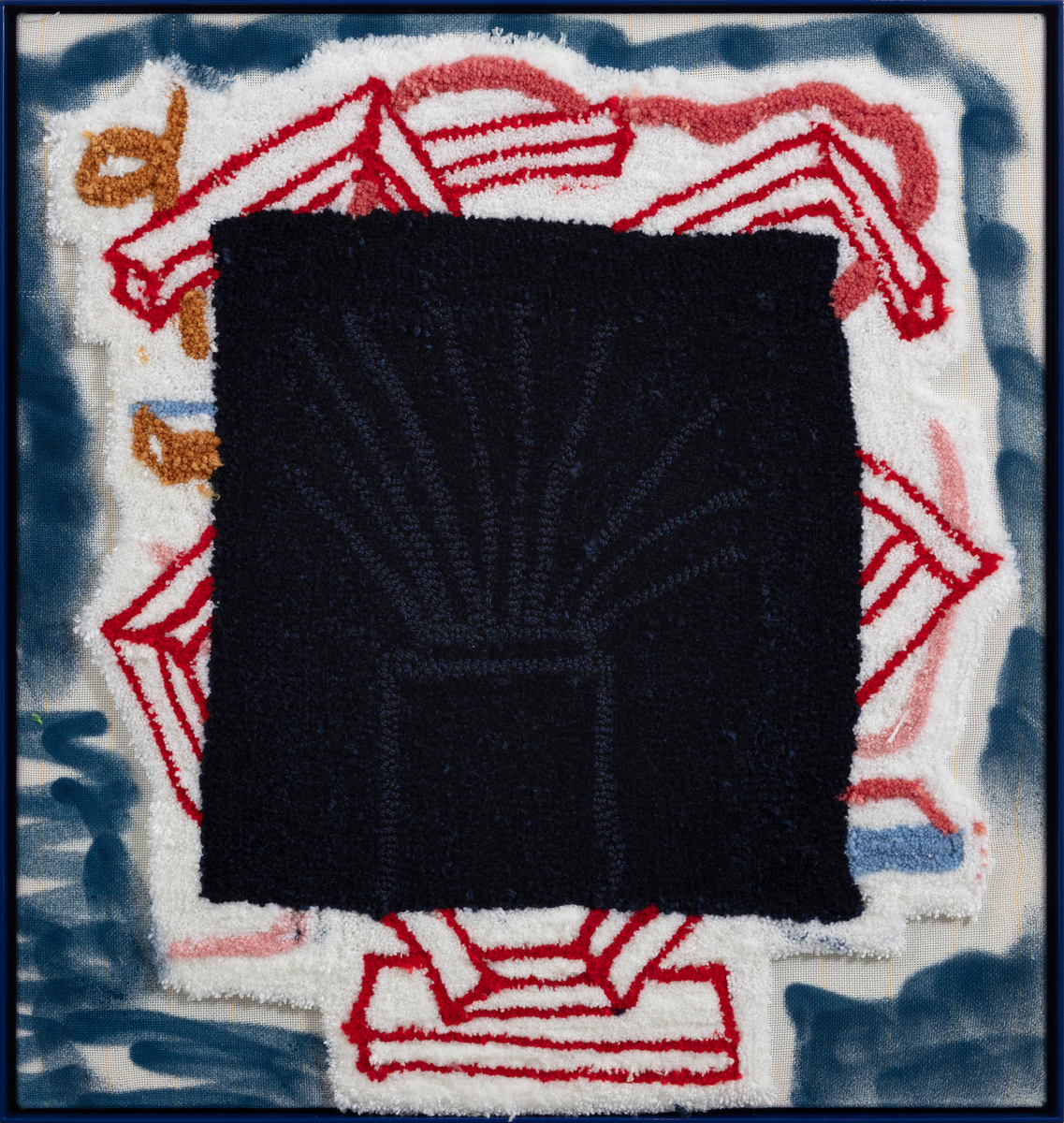
Liliana Pasalic’s work is a wondrous feast, a cornucopia of material: hard and soft, transparent and opaque, considered and frenetic. These dualities are a portal into the artist’s mind, where resin freezes atop soft velvet, and spray paint seeps into the backdrop of a fluffy, tufted wool canvas. Pasalic embraces not just materials but their behaviours, transforming them into metaphor; the push and pull of traditional textile techniques turns its back on the historical perceptions of their purpose, instead embracing a new contemporary position with a feminine backbone.
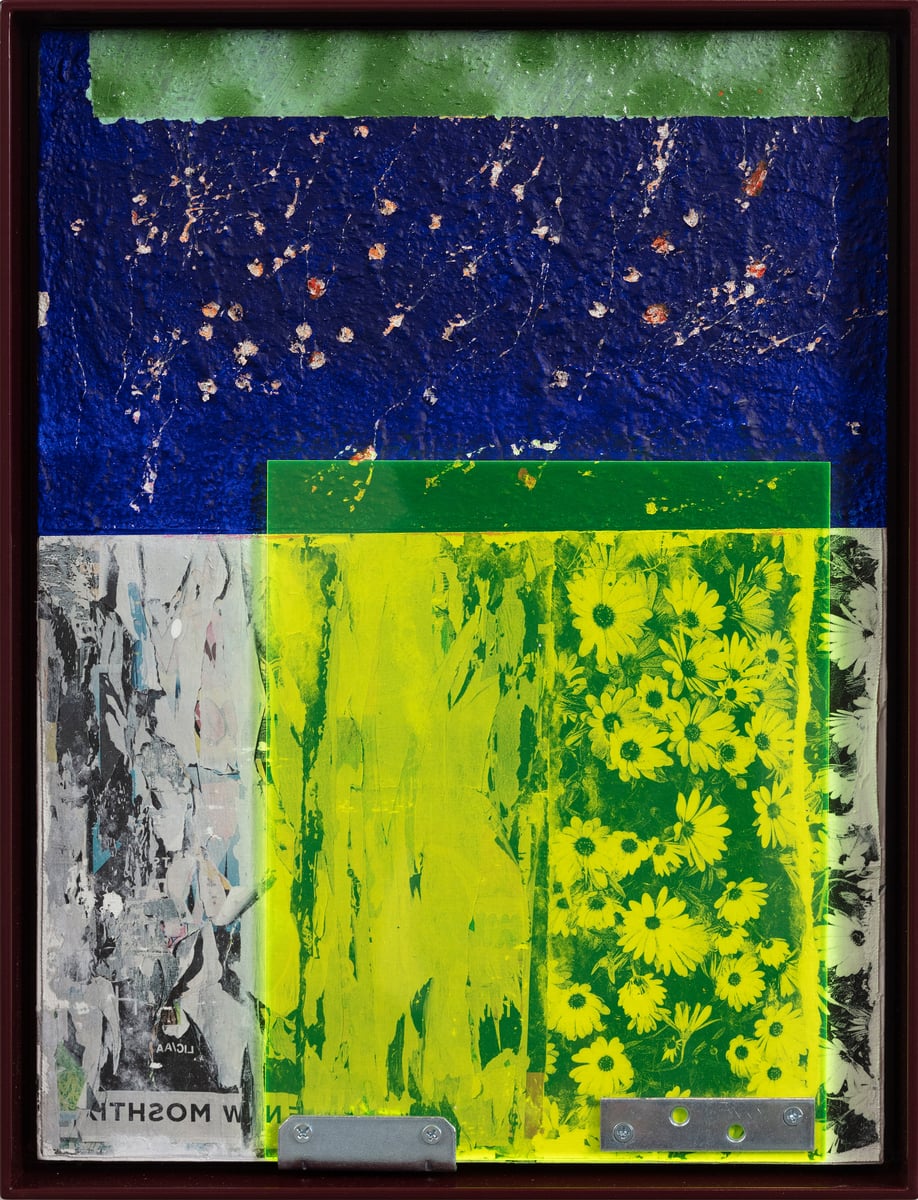
For Pasalic, life is a source material, a tapestry of its own which has seen her build a life across Croatia, the UK, Australia, and Switzerland; time spent in each place has shaped her understanding of both urban and natural environments. Woven throughout the works are symbolic residues, moments infused with references to the built and natural world. Fragments of torn posters, neon signs, and synthetic matter are handled in equal weight to flowers and pot plants. The making process oscillates between various mediums: photography, painting, drawing, textiles, and the found object – there is no singular or linear order. Slipping between mediums allows her to formulate her own view of the world, its complexities, and the way she operates as an artist within it.
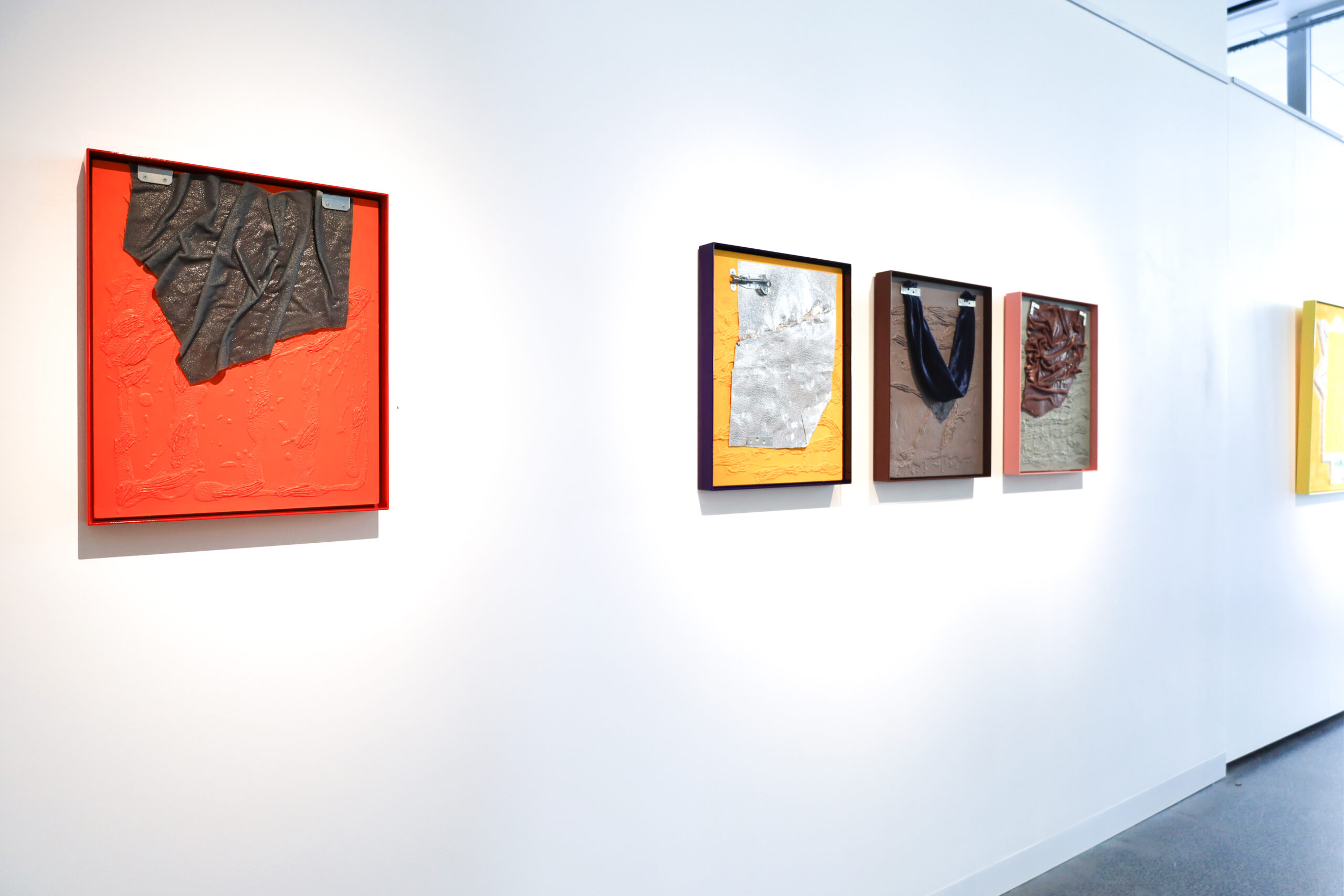
Through this exhibition, Pasalic demonstrates a preoccupation for the act of placing one medium over another – there is an embodiment in puncturing a soft fabric with hardware, or when an acrylic sheet masks a photographic print of yielding florals. This language of domination is used to subvert notions of gender – fabric for girls and metal for boys. The same language emerges through the impressions humans exert onto the natural world, erasing histories and disrupting ecologies. By combining materials in unconventional ways, testing their limits, and altering their properties, Pasalic intentionally disrupts the canonical understanding of textile art practice, welcoming both chaos and order. These dualities are central to her practice, sitting within a greater sense of grief about the state of the world, and a hopefulness for what is possible. Nothing within this body of work exists separately from anything else, each gesture rippling into the next. Separateness is illusion, and that is the point. Hardness and softness, chaos and order, urban and natural; these dualities are simply different presences of the same interconnected whole.